


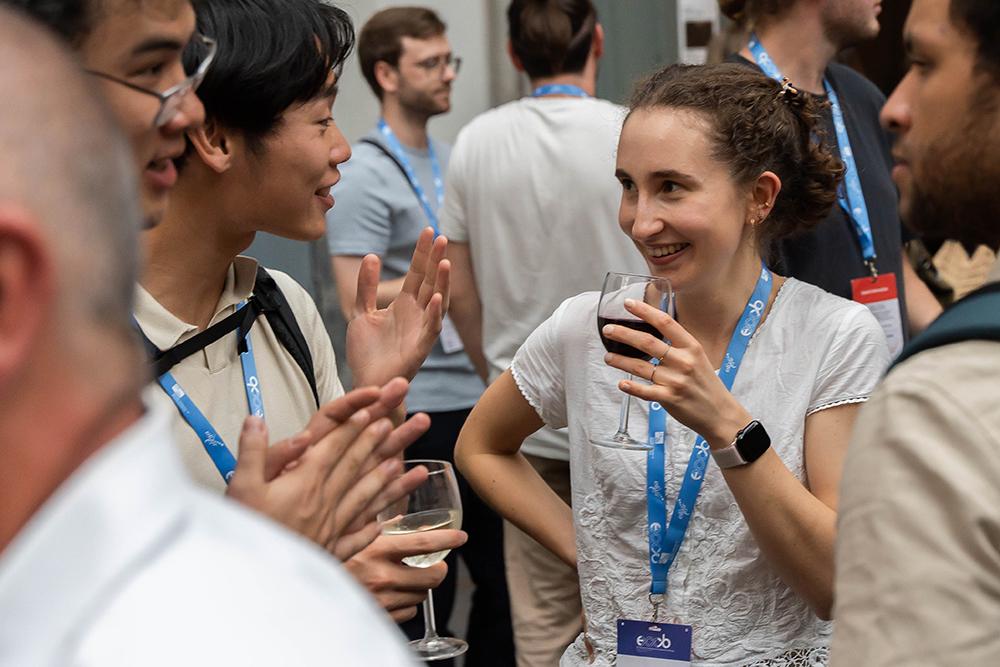
Over 1,500 experts from 63 countries advanced health, environmental protection and trustworthy AI in Geneva at the 25th European Conference on Computational Biology (ECCB), from 31 August to 4 September. Speakers – including Swiss President Guy Parmelin – highlighted the central role of reliable life-science data and infrastructure in addressing societal challenges. Organized by SIB as part of #GenevaLovesData, this largest edition of ECCB to date reinforced Switzerland, and Geneva in particular, as an international hub of reliable data, research, innovation and collaboration.
Computational biology at the centre of science and society
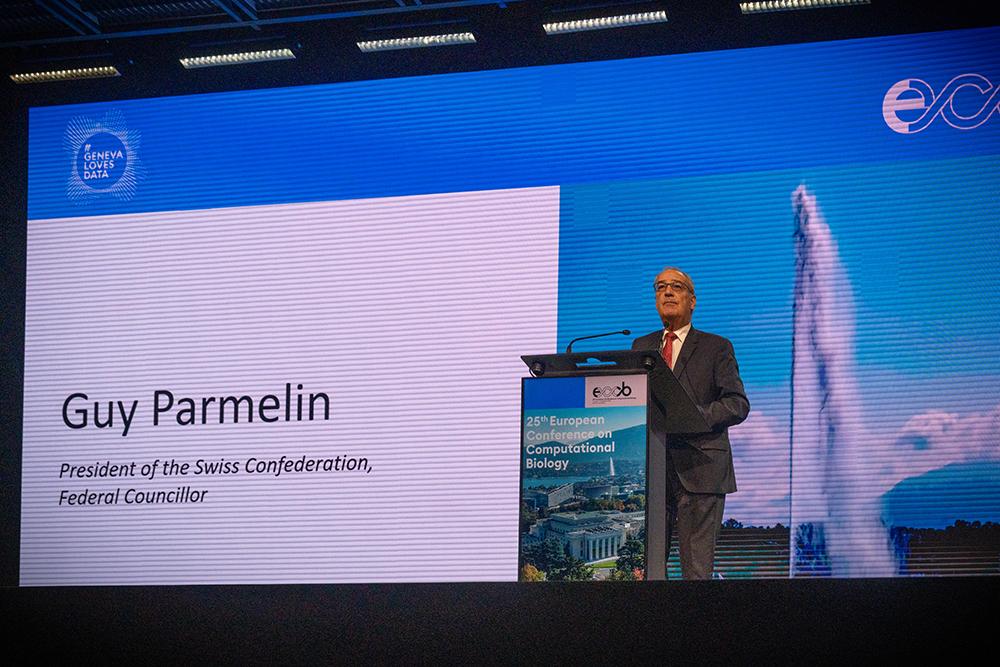
Switzerland's highest federal and cantonal authorities inaugurated ECCB 2026 – reflecting the country’s strong investment in research and data infrastructure as well as the growing importance of life-science data in addressing global challenges. Swiss President Guy Parmelin, the WHO’s Jeremy Farrar and other opening day speakers (see box) emphasized how the impact of computational biology extends far beyond health and environmental innovations, to other scientific fields, digital sovereignty, international collaboration and responsible AI.
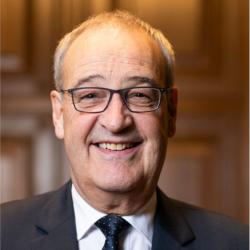
The artificial intelligence of tomorrow is being built today, through excellent research and high-quality data. With ECCB this week, and then the Global AI Summit in 2027, Switzerland wants to be at the heart of this momentum.
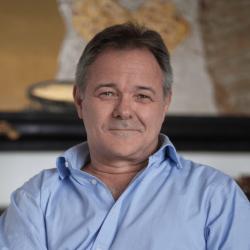
Computational biologists will have a say and an impact on every single bit of science in the next 20 years.
Cross-societal celebration of biological and biomedical data
The ECCB 2026 opening ceremony featured Swiss President Guy Parmelin; Republic and Canton of Geneva State Council President Anne Hiltpold; SIB President and National Councillor Simone de Montmollin; University of Geneva Rector Audrey Leuba; and SIB Executive Director Christophe Dessimoz. They were followed by keynote speaker Jeremy Farrar from the World Health Organization.
- Watch opening talks
- Read Guy Parmelin’s address
- Read Anne Hiltpold’s address
- Read Simone de Montmollin's address
- Read Audrey Leuba's address
A unique artistic experience, If Data Could Breathe, connected Geneva’s vibrant creative scene with the world of data science.
The science and impact extended beyond ECCB through the #GenevaLovesData initiative (see below) and wide coverage in the press.
Spotlighting Swiss science and AI strengths
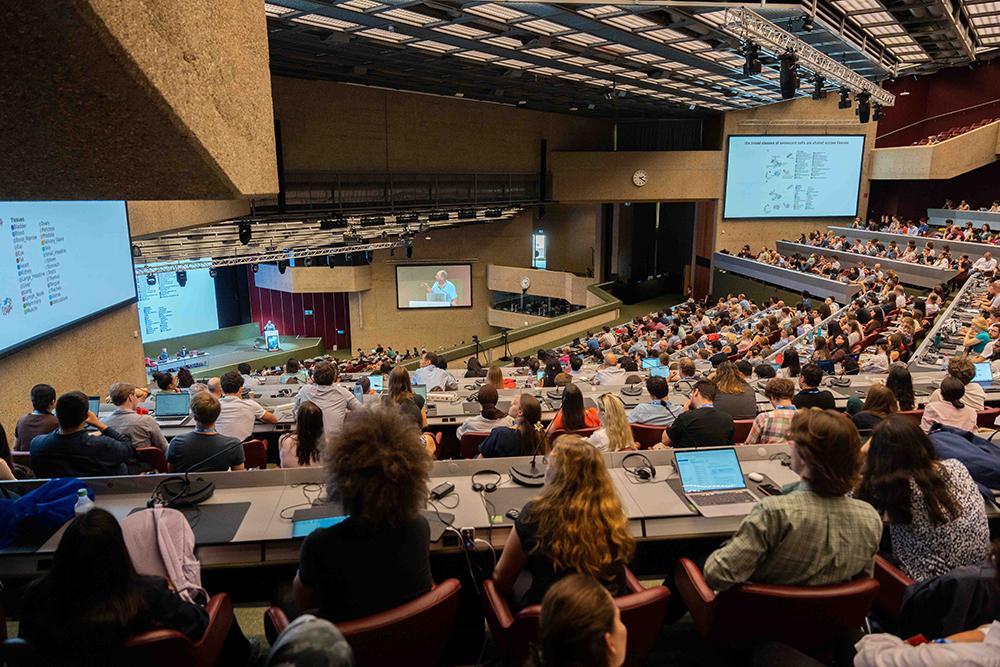
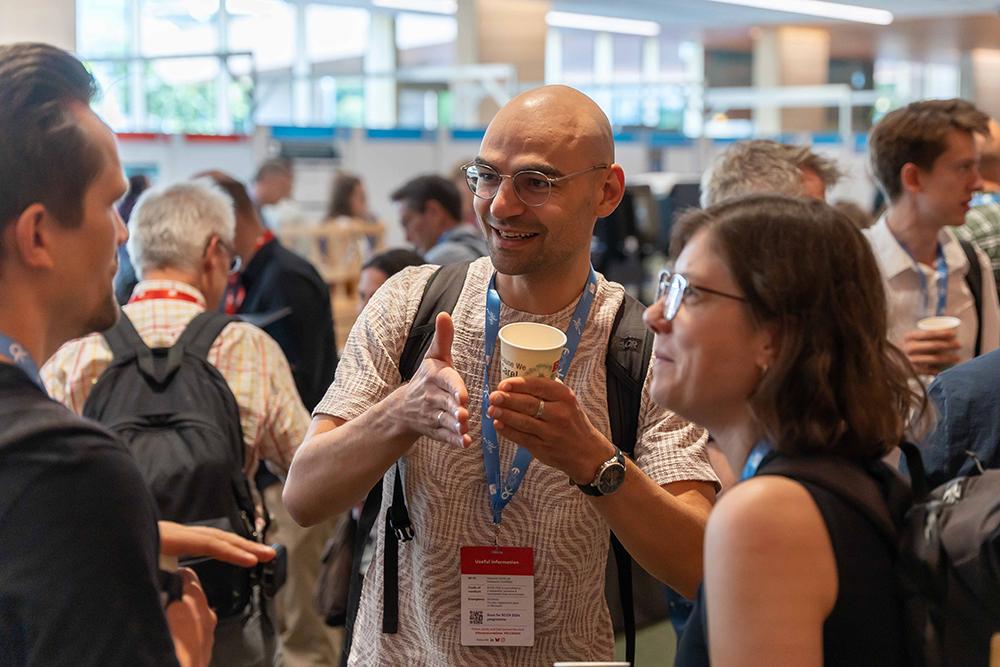
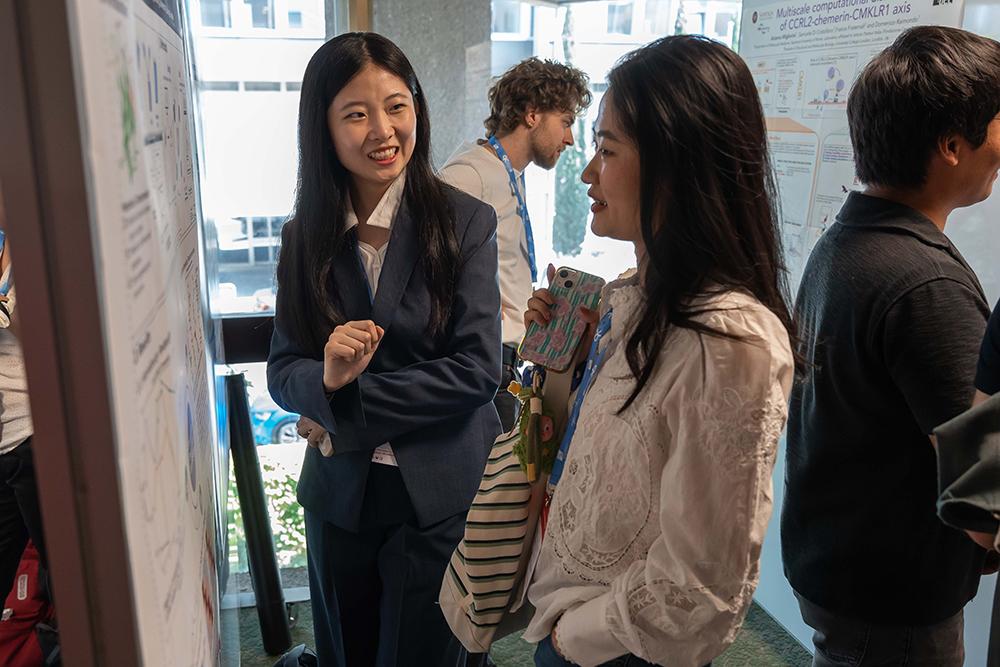
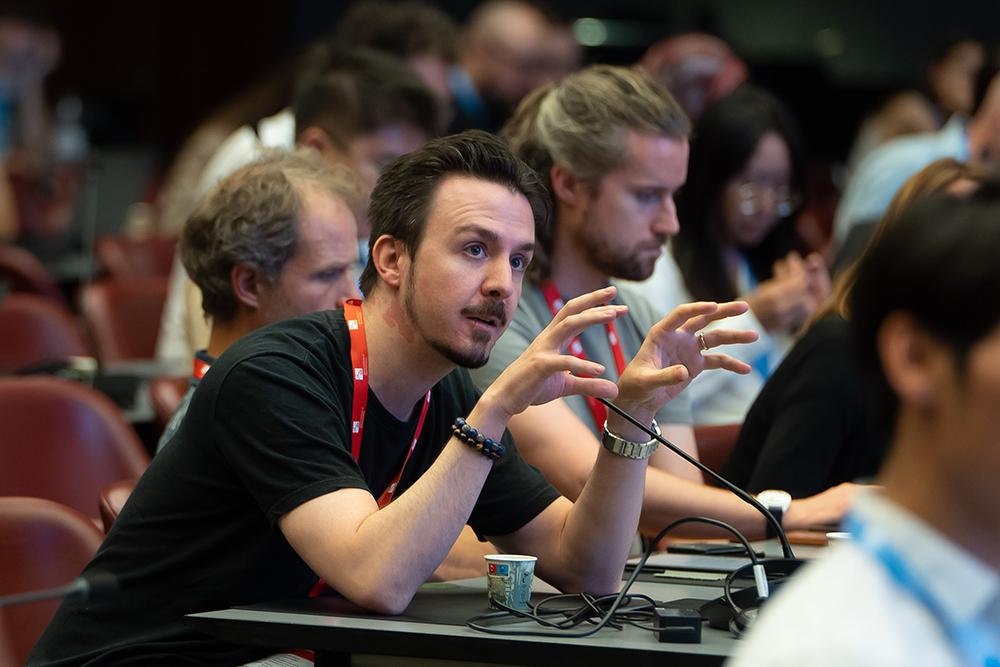
The conference was the largest edition to date, with 1,510 researchers, clinicians and data specialists joining from 63 countries and world-renowned institutions, and 980 talks and poster presentations.
Cross-societal celebration of biological and biomedical data
The ECCB 2026 opening ceremony featured Swiss President Guy Parmelin; Republic and Canton of Geneva State Council President Anne Hiltpold; SIB President and National Councillor Simone de Montmollin; University of Geneva Rector Audrey Leuba; and SIB Executive Director Christophe Dessimoz. They were followed by keynote speaker Jeremy Farrar from the World Health Organization.
- Watch opening talks
- Read Guy Parmelin’s address
- Read Anne Hiltpold’s address
- Read Simone de Montmollin's address
- Read Audrey Leuba's address
A unique artistic experience, If Data Could Breathe, connected Geneva’s vibrant creative scene with the world of data science.
The science and impact extended beyond ECCB through the #GenevaLovesData initiative (see below) and wide coverage in the press.
Swiss excellence was represented throughout. The programme included a keynote by Anna-Sapfo Malaspinas of the University of Lausanne, presentations by SIB and other scientists across the country – several of whom received conference awards – and AI and innovation sessions with representatives from Roche, Novartis, and Swiss life-science SMEs and startups Sophia Genetics, Frontiers, Haya Therapeutics, Lemna Bio, sequera, smarts.bio and iOnctura.
Geneva, a unique ecosystem for data and research
By hosting ECCB for the first time, Geneva confirmed its role as an international crossroads where data infrastructure, research, innovation, international organizations and public policy converge. This ecosystem is especially relevant today, with data quality, governance and sharing becoming major issues for the development of trustworthy AI – particularly in the life sciences.
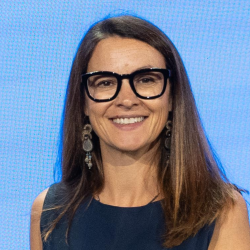
Data and AI raise as many scientific challenges as they do questions of governance and trust. Geneva brings together the expertise needed to advance these issues internationally.
High-quality data driving new knowledge and innovation
Across the conference’s five days, participants exchanged the latest advances for addressing health and biodiversity challenges through data sharing and analysis at scale.
A wide breadth of topics and applications were presented, including:
- genomics advances for identifying cancer biomarkers;
- uncovering coral microbiome diversity;
- benchmarking computational methods and models;
- new analyses linking the gut microbiome to health
- AI methods for predicting drug targets, aging processes, patient subgroups and much more.
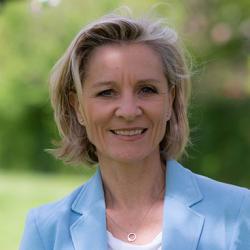
Behind every advance in health, biodiversity or AI lie reliable data and the infrastructure that makes them usable. ECCB is a reminder of how strategic these resources have become for research and innovation.
A vision built over three decades
Holding ECCB in Geneva builds on a long tradition of academic excellence. The University of Geneva helped create SIB in 1998, when bioinformatics was still an emerging field. Thanks to that vision, Geneva is now an international hub for life-science data.

Hosting ECCB 2026 in Geneva reflects the pioneering vision of the Canton, which has recognized the importance of bioinformatics for research and society for nearly 30 years, as well as the strength of its partnership with SIB.
Building the foundations of tomorrow’s breakthroughs
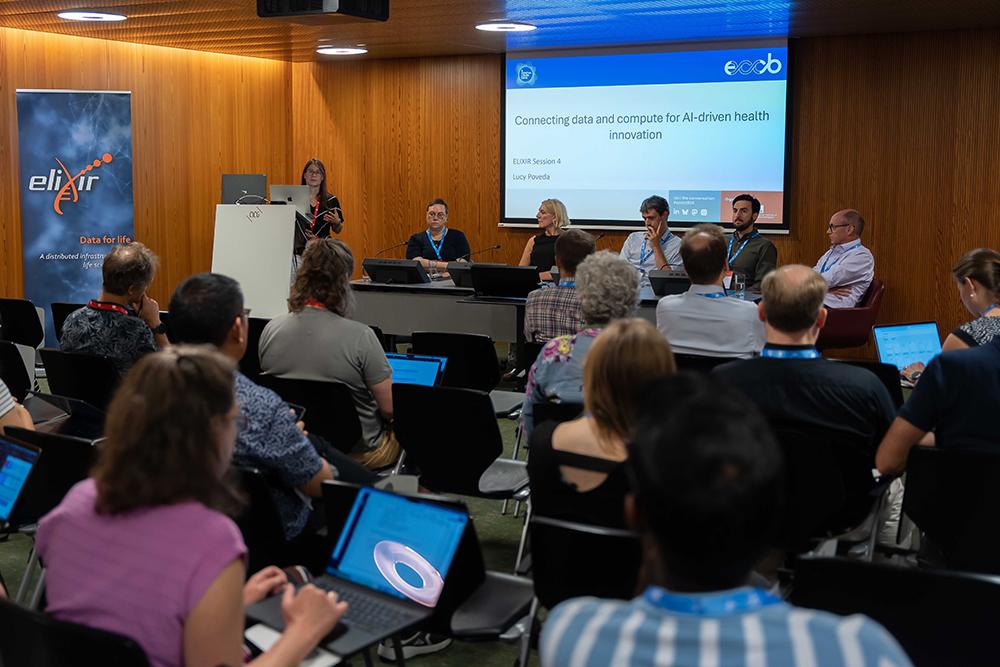
Beyond the scientific results presented, participants also advanced the methods, standards and collaborations that will allow future discoveries through evermore reliable and reusable data. Topics covered in workshops, tutorials and expert panels included connecting biodiversity and climate data, connecting data and compute for AI-driven health innovation, interoperability in data resources, and biomedical knowledge graphs.
The wider #GenevaLovesData initiative extended the conference subjects more broadly, through the Datarium exhibition and a public forum on ECCB’s opening day. The latter alone drew 100 citizens, tech and data experts, students, health practitioners, policy makers and politicians. Through talks, workshops and Q&As with experts, participants saw how biological and biomedical data help tackle diseases, monitor epidemics, protect the environment, and develop reliable artificial intelligence.
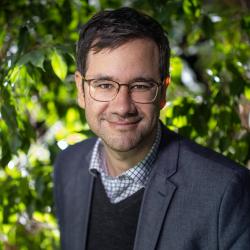
ECCB 2026 and #GenevaLovesData built the essential foundations of future discoveries, by sharing knowledge and skills, strengthening international collaboration with the Swiss ecosystem, and expanding public awareness and support.
Supported by leading industry, government and academic partners
ECCB 2026 was organized by SIB with the support of:
Frontiers, Novartis, Roche, ADM, Rijk Zwaan, seqera, Abrinca-Genomics, Lemna Bio, smarts.bio;
State Secretariat for Education, Research and Innovation (SERI), Republic and Canton of Geneva, Geneva Convention Bureau, ELIXIR, Swiss Association of Pharmaceutical Professionals (SwAPP);
Swiss Academy of Sciences (scnat), International Society for Computational Biology (ISCB), ECCB;
HaslerStiftung;
Snapshots of the event



Reference(s)
Image credits:
Gonzalo Bell
Nicolas Righetti | Lundi 13


