

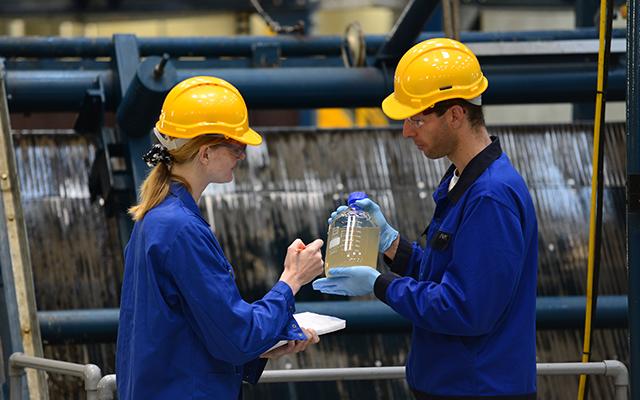
Analysis of genetic material in wastewater samples enables cost-effective monitoring of circulating pathogens and helps ensure epidemic preparedness. SIB Groups led by steering board members of our Centre for Pathogen Bioinformatics support such wastewater surveillance, both nationally and internationally. Here we highlight some of their recent advances to better support public-health authorities and researchers – including through collaborations with the Swiss Federal Institute of Aquatic Science and Technology (Eawag).
Bioinformatics: from data to discovery
Bioinformatics – the science of storing, connecting, analysing and interpreting biological data – shapes lives in ways most people never see, from guiding cancer treatments to informing conservation efforts. This series highlights examples of how scientists across the SIB Network transform data into knowledge and real-world impact.
Keeping pace with influenza and RSV evolution
Drug-resistance and vaccine-relevant mutations in influenza A can now be identified from wastewater samples thanks to a new sequencing method. Estimates of which strains were circulating held up against clinical data, confirming the method's accuracy. Switzerland has built the method into its national wastewater surveillance.
Bioinformatics: from data to discovery
Bioinformatics – the science of storing, connecting, analysing and interpreting biological data – shapes lives in ways most people never see, from guiding cancer treatments to informing conservation efforts. This series highlights examples of how scientists across the SIB Network transform data into knowledge and real-world impact.
Respiratory syncytial virus (RSV) can be monitored in the same way, using another new method that, for the first time, sequences almost the whole viral genome rather than fragments of one gene. Baseline data from 2022–2024 – before the newest vaccines and antibody treatments reached patients – will help public-health teams see how RSV evolves.
Published in Water Research and The Lancet Microbe
Filling a blind spot in antimicrobial-resistance monitoring
A drug-resistant type of E. coli can be tracked across whole communities through wastewater surveillance, which detects bacteria shed by people who never get tested. The finding comes from genomic sequencing of over 760 bacterial isolates collected from Swiss clinical, animal and wastewater samples.
This type of resistant E. coli was linked to around 100,000 deaths worldwide in 2019. By mapping its diversity and how it spreads in Switzerland, the study contributes to a comprehensive strategy for monitoring antimicrobial resistance at the national scale.
Published in Applied and Environmental Microbiology
Improving real-time estimates of virus trends
Real-time genetic data from wastewater samples are more reliable, using a new method to spot false spikes in virus measurements. Tested on three years of Swiss data for four respiratory viruses, the fast and simple method corrected the biggest distortions in estimated trends. This gives public-health authorities a better picture of whether an epidemic is growing or receding.
Published in Environmental Research
Spotting – and forecasting – which virus strains are gaining ground
The spread of different virus strains through a community can now be tracked in wastewater, even when samples yield only scraps of genetic material – as happens when few people are infected. And knowing whether a new SARS-CoV-2 variant will displace others can be predicted up to 90 days ahead.
These capabilities come from two new tools. LolliPop – which has been built into Switzerland’s national wastewater surveillance – combines sequencing data from several days to track how fast a new strain is displacing those already circulating, while Covvfit models the relative fitness advantage of different SARS-CoV-2 variants.
Published in PLOS Computational Biology and Water Research
Reference(s)
Image credit: Eawag